You may have heard of cupping therapy and its many benefits for athletes and wondered what exactly is cupping? And does it actually work?
This
ancient Chinese practice dates back thousands of years and has been gaining popularity recently as some of the top athletes are using it for pain relief and recovery. If you’ve been wondering if cupping therapy works, the answer is yes. And we’re here to tell you why.
Keep reading for 5 things you need to know about cupping.
Philosophy of Cupping
Cupping, as mentioned above, is an ancient form of Chinese medicine. In this practice, they believe that stagnation in the body leads to pain. This stagnation, caused by a blockage of Qi or energy flow, can cause all sorts of diseases.
The practice of cupping works to release these blockages so that your lymphatic and energetic systems can work properly to restore balance.
Benefits of Cupping Therapy
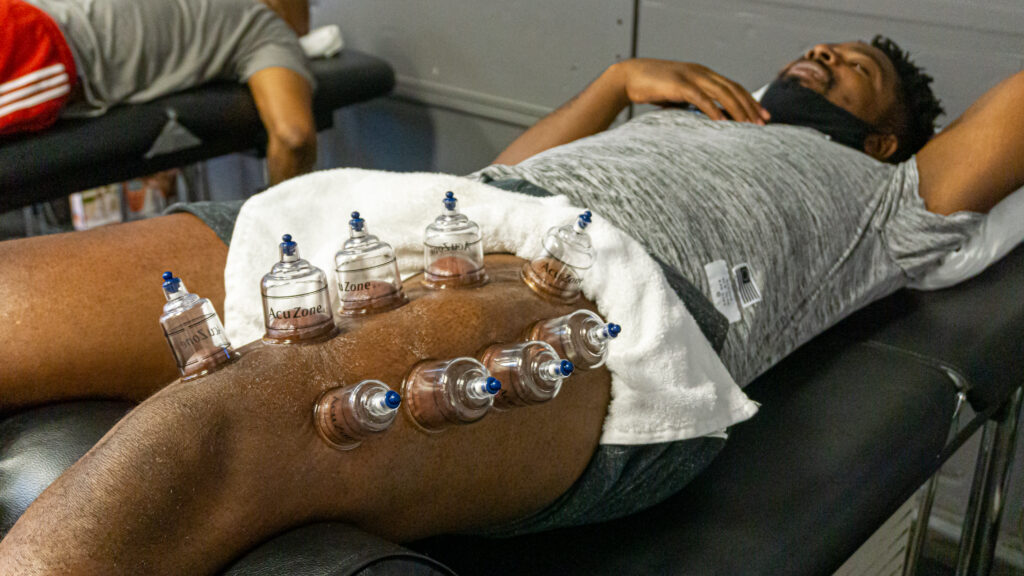
Cupping therapy involves using suction on the skin to decompress and relieve tension in muscles and connective tissue. This intense suction technique often leaves the skin with some mild bruising as it works to increase your overall blood flow and circulation.
Cupping acts much like a deep tissue massage to speed up the body’s natural healing process and get your muscles back on the right track. This is why it is a popular
technique among athletes who need a little help recovering.
Conditions Cupping Is Used For
There are many conditions that practitioners use cupping to treat aside from just relieving tension in the body.
Much like acupuncture, this practice is believed to clear blockages in the body and promote overall wellness and health.
Cupping is used to treat congestion in the lungs such as that caused by the common cold or even help treat asthma. It is also used to help treat skin conditions, such as acne since it works to detoxify the body and increase blow flow.
Cupping even has a positive effect on the digestive system by relieving constipation and boosting metabolism.
What Cupping Feels Like
If you’ve seen what someone’s skin looks like after a cupping session, you may be a bit concerned with how the treatment feels. Because the suction often leaves behind bruising, some people worry that this experience is painful.
The sensation felt during cupping is loved by some and hated by others but it is not known to be painful, only at worst uncomfortable. You should expect to have to bruise after your session, which will go away within two weeks.
Who Should Not Get Cupping
Like any new treatment, it’s best to discuss with the practitioner what your biggest health concerns and conditions are. There are some instances where cupping may not be the right choice where another treatment may be more beneficial.
If you are someone with extremely sensitive and thin skin, cupping will not be beneficial for you. You should also avoid cupping if you are taking blood thinners.
Does Cupping Therapy Work?
The answer to your question of “does cupping therapy work?”, is yes. This practice has stuck around so long for a reason, so try it out for yourself to gain all the benefits cupping has to offer.
Contact us today so one of our certified and licensed practioners can help you discover the best treatment for you. And for all your
performance needs, check out our website!


 Optimized by Seraphinite Accelerator